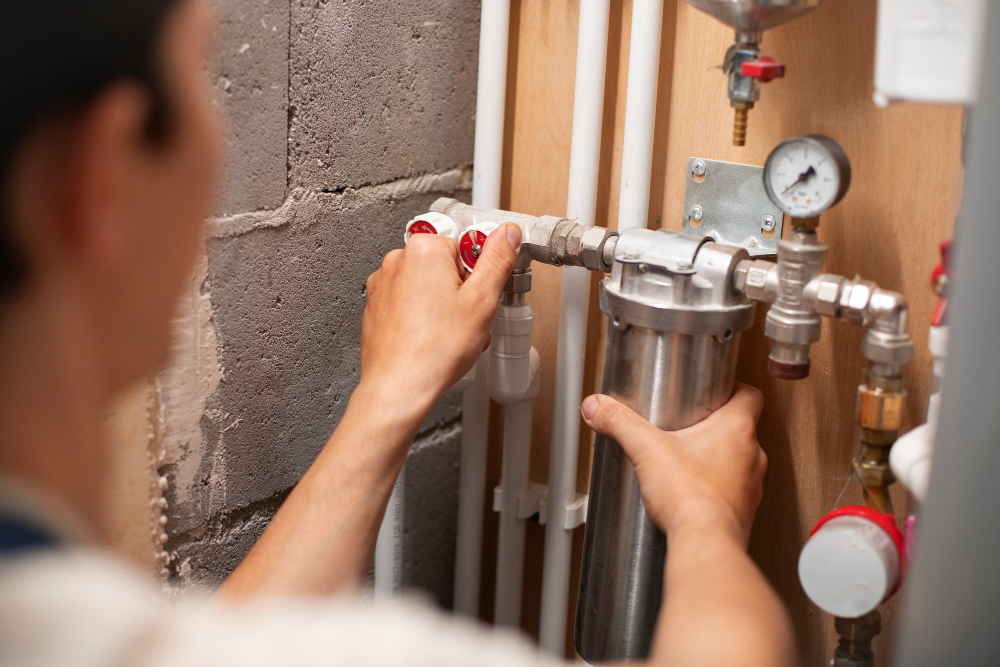
Summary: Check several things before choosing a professional heater repair service. Check whether the heater has power and look for signs of a leak. Check the temperature and listen for unusual sounds.
There is probably nothing more irritating than turning on the shower expecting warm water and getting an unpleasant burst of cold instead. Whether you are preparing for work, getting the kids ready for school, or trying to wash the dishes, losing hot water can quickly disrupt your day. Before you immediately search for a water heater repair service in Elora, take a moment to investigate the problem. Sometimes, a simple issue may be responsible. So, how can you determine what’s going on and whether you need professional service? Continue reading to discover six practical things to check.
Things to Check Before Choosing a Water Heater Repair Service in Elora
Check Whether the Heater Has Power
If your water heater suddenly stops producing hot water, the first thing to check is whether it is receiving power. If you have an electric heater, check your electrical panel for a tripped circuit breaker. A power interruption may prevent the unit from heating water properly. For gas-powered water heaters, check whether the appliance is receiving its required supply and whether the pilot light or ignition system appears to be functioning normally. However, do not attempt to dismantle electrical components or interfere with gas connections yourself. These systems can be dangerous if handled incorrectly.
Look for Signs of a Leak
You should never ignore a leaking water heater. Look around the unit for visible water, damp flooring, puddles, corrosion, or moisture around pipes and connections. A small amount of condensation may not necessarily indicate a major problem. However, persistent water around the heater could point to a leaking connection, valve, tank, or another component. Why does this matter? Even a relatively small leak can eventually cause water damage to floors, walls, or nearby belongings. Take a quick look around your heater. Is the surrounding area completely dry, or can you see signs of moisture? If you notice significant leaking, seek help from a trusted HVAC company promptly.
Check the Temperature and Hot Water Supply
Sometimes you may not get hot water even if the heater seems to work. You might notice that water becomes warm but never reaches the usual temperature, or that hot water runs out much faster than it used to. Several issues can contribute to this, including thermostat problems, heating element faults, sediment accumulation, or problems with other components. Consider how the problem started. Has the water gradually become less hot over several weeks, or did you suddenly lose hot water altogether? A gradual change can be an important clue that it needs professional attention. Provide every detail to the technicians to help them understand the problem more effectively.
Listen for Unusual Sounds
Your water heater should not sound like it is working overtime. Popping, banging, rumbling, hissing, or other unusual sounds can indicate that something is not operating normally. Sediment buildup can sometimes cause noises as water is heated. However, other sounds may point to issues with components, pressure, or the heating process. You do not need to diagnose the sound yourself. Instead, pay attention to what you are hearing. Do not forget to tell the technician exactly what you have noticed.
Consider the Age and Condition of Your Heater
Consider the age and the overall condition of your water heater before choosing a repair service. If it has been operating reliably for years and this is the first problem you have experienced, repairing a failed component may make sense. However, if the heater is older and has experienced repeated breakdowns, corrosion, leaks, or declining performance, replacement could be a more practical long-term option. That doesn’t mean you should automatically replace an older unit. A professional assessment can help you compare the likely repair cost, future reliability, and replacement options.
Check the Heater’s Maintenance History
Before deciding whether you need a repair service, take a moment to consider when your water heater was last serviced. Regular maintenance can help identify worn components, sediment buildup, leaks, and other issues before they turn into major problems. If you have service records, check when the heater was last inspected or repaired. Have parts been replaced recently? Has the system needed frequent repairs? Or has it been several years since anyone professionally checked it? This information can help you understand whether you are dealing with an isolated problem or a system that may require more attention.
We hope you find this blog useful. However, if you have any specific queries, please get in touch today.
Popular Posts

October 3, 2026

September 22, 2026
September 15, 2026
September 7, 2026
August 17, 2026